








Common Furnace Problems Omaha Homeowners Deal With in Winter
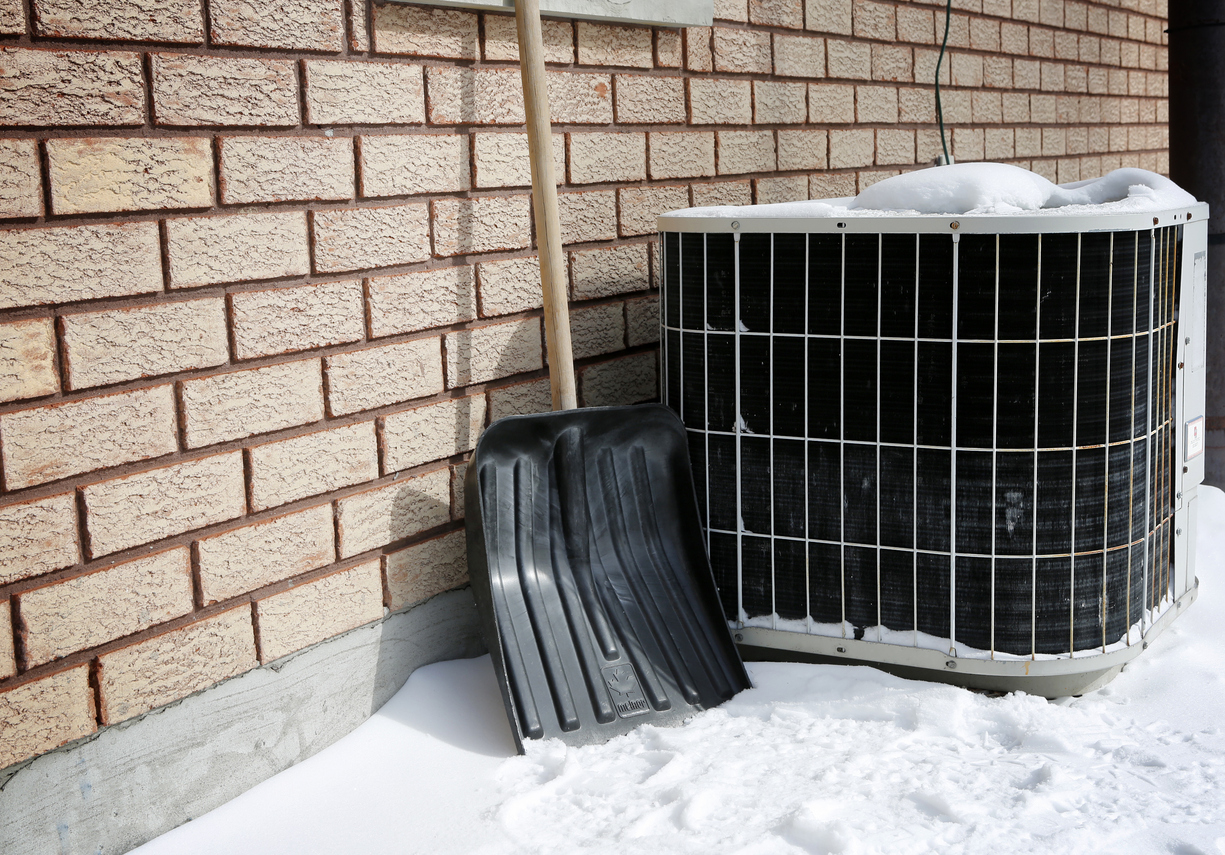
Winter in Omaha does not ease into the season. Cold nights stack up fast, and furnaces end up running long hours with very little rest. When a system is already worn, winter exposes it. When something small is off, the symptoms usually show up right away.
Homeowners often ask if what they are noticing is normal winter behavior or a real problem. This guide walks through common furnace problems we see during winter, the early signs to pay attention to, a few safe checks you can handle yourself, and when it is time to have a technician take a closer look.
Why Furnaces Struggle in Winter
Furnaces are built to handle cold weather, but winter still pushes them harder than any other season. In Omaha homes, that pressure shows up in predictable ways.
A few things make winter especially demanding:
- Longer overnight run times when temperatures drop sharply
- Cold air is making it harder to recover heat between cycles
- Dirty filters are limiting airflow during peak use
- Older components are wearing down under constant demand
This is where many common furnace problems start. The system may still run, but not the way it should.
Warning Signs Your Furnace Needs Help
Some furnace issues are obvious. Others start quietly and get worse over time. Catching the early signs saves stress later in the season.
Signs furnaces need service often include:
- Rooms that never seem to warm up evenly
- New noises that were not there earlier in the season
- A furnace that turns on and off more often than it used to
- Higher utility bills without a change in habits
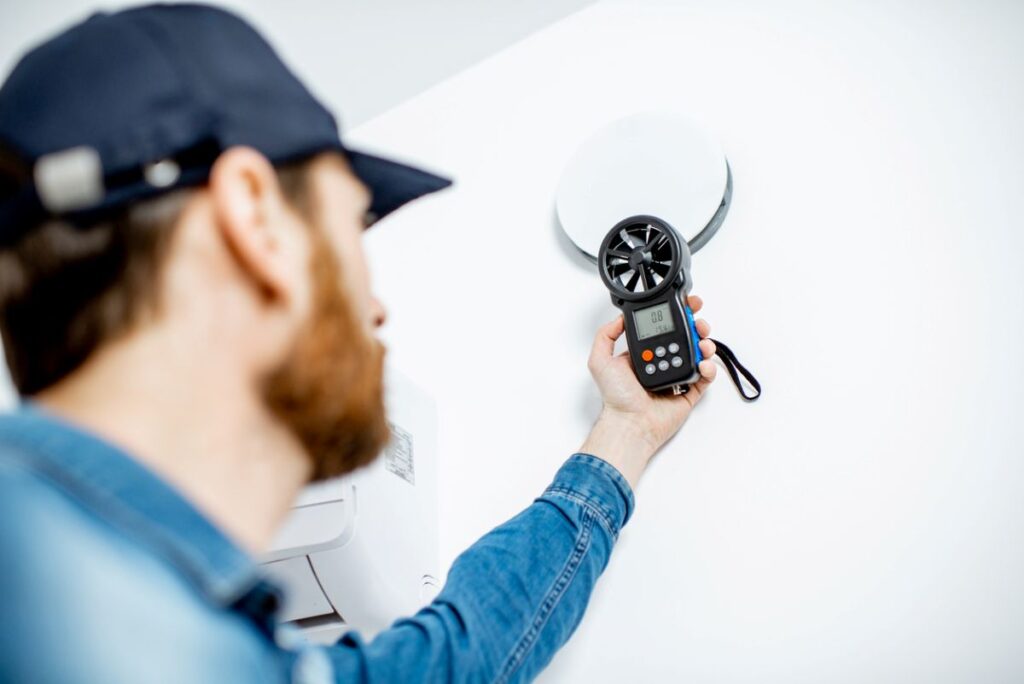
- Airflow that feels weak at the vents
If one or two of these show up, it is usually not random. It is often the system telling you something is not right.
Furnace Blowing Cold Air
A furnace blowing cold air is one of the most common winter complaints. It can happen briefly during startup, but steady cold air is not normal.
This issue often traces back to a few sources:
- A clogged air filter that causes overheating and shutdowns
- The thermostat set to fan on instead of auto
- Ignition problems that stop the burners from staying lit
- Safety sensors reacting to restricted airflow
In many Omaha homes with finished basements, airflow problems show up faster because duct runs are longer. If warm air never really arrives, an inspection helps pinpoint the cause.
Furnace Not Keeping Up With Cold Weather
Another frequent winter issue is a furnace that fails to keep up. The system runs, sometimes nonstop, but indoor temperatures stay a few degrees short of the thermostat setting.
Common reasons include:
- Dirty burners that reduce heat output
- Failing flame sensors that interrupt operation
- Duct leaks are pulling heat into unconditioned spaces
- Aging equipment that has lost efficiency
During cold snaps, a healthy furnace should still maintain comfort. When it cannot, something inside the system needs attention.
DIY Checks Homeowners Can Try
Not every winter issue requires immediate service. There are a few basic checks homeowners can safely handle.
Start simple:
- Replace the air filter if it looks dirty or clogged
- Check thermostat batteries and settings
- Make sure supply and return vents are open
- Confirm nothing is blocking airflow near the furnace
- Look for basic error codes on the control panel
If the issue clears up, great. If it comes back, that usually means the root cause is deeper than a surface fix.
When to Call a Technician
Some problems are not DIY territory. Continuing to run a furnace with ongoing issues can create safety risks or lead to larger repairs.
Call for professional help if you notice:
- Repeated shutdowns or lockouts
- Burning smells that linger
- Loud banging or scraping sounds
- A furnace that will not start at all
- Carbon monoxide detector alerts
These common furnace problems require proper testing and tools to diagnose correctly.
Winter Prevention Tips for Fewer Problems
The easiest way to avoid furnace problems in winter is to reduce stress on the system before issues build up. Preventive care matters most when the furnace is working its hardest.
Helpful prevention steps include:
- Changing filters regularly during winter
- Keeping intake and exhaust pipes clear of snow
- Paying attention to changes in sound or performance
- Addressing small concerns early
Many Omaha homeowners are surprised by how smoothly their system runs after a routine inspection.
Scheduling a Furnace Inspection
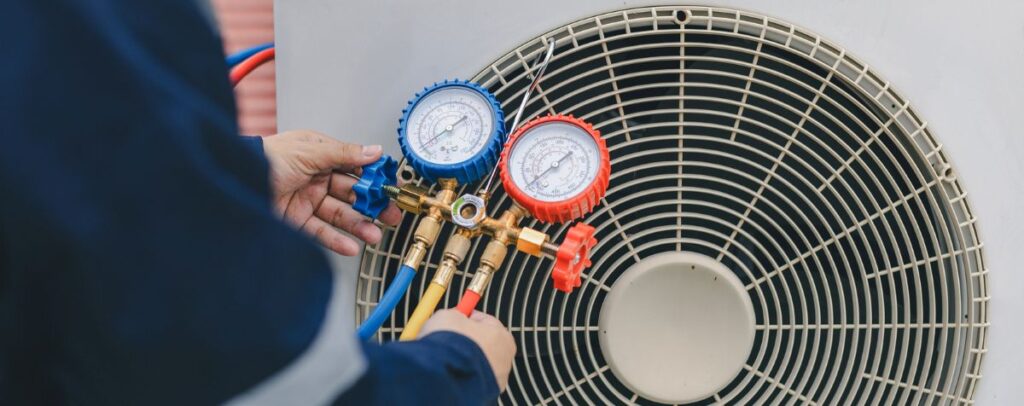
If your furnace has shown warning signs, an inspection is a smart next step. It enables technicians to identify common furnace problems, confirm safe operation, and ensure the system is ready for sustained winter use.
A professional inspection can:
- Identify worn components before they fail
- Improve airflow and heat consistency
- Reduce unexpected shutdowns
- Help the furnace keep up during cold nights
Scheduling an inspection during winter helps prevent surprises when your home needs heat the most.